Senate.Gov. The United States Senate
Find Your Senators
 
Search
SenatorsCommitteesLegislation and RecordsArts and HistoryVisitorsReference
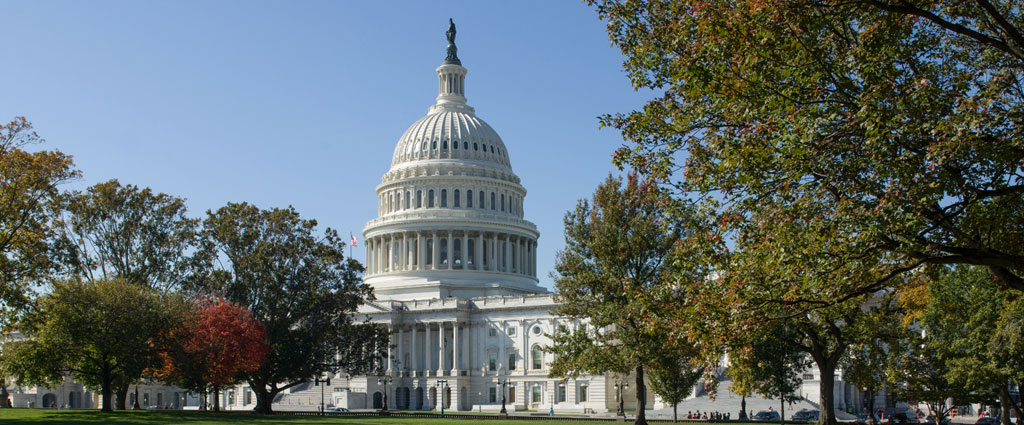
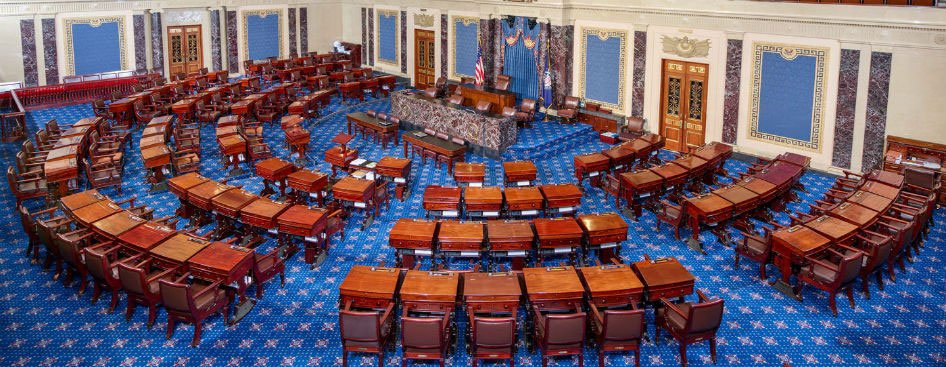
The United States CapitolTelegraphSenate Floor
Virtual Reference Desk
Public Disclosure
Nominations
Statistics and Lists
Capitol Camera
Live video stream of the U.S. Capitol dome.
Rumors! Tall Tales About Senate Art
Crystal Chandelier
Millions of people come to the Senate each year to learn about the institution through its art and historical collections. However, sometimes misinformation obscures the true story of the Senate. "Rumors!" is a sampling of the more unusual stories that have been heard.
This Week in Senate History
Photo of Andrew Johnson of Tennessee
July 31, 1875

Andrew Johnson, the only former president to return to serve in the Senate, died of a stroke while visiting his daughter in Tennessee.

More»
2010 Session Schedule
Scheduled Hearings
Active Legislation
Votes
Floor Schedule

Monday, Aug 02, 2010

2:00 p.m.: Convene and begin a period of morning business.

Thereafter, resume consideration of the House message to accompany H.R.1586, the legislative vehicle for Federal Medical Assistance Percentage (FMAP) aid to states and teacher funding.


Previous Meeting

Friday, Jul 30, 2010

The Senate convened at 10:00 a.m. and adjourned at 11:46 a.m. No record votes were taken.


Daily Digest(latest issue)


Senate Calendar(latest issue)


Executive Calendar(latest issue, PDF format)

The Role of Committees in the Legislative Process

Committees are an essential part of the legislative process. Senate committees monitor on-going governmental operations, identify issues suitable for legislative review, gather and evaluate information, and recommend courses of action to the Senate.


During each two-year Congress thousands of bills and resolutions are referred to Senate committees. To manage the volume and complexity, the Senate divides its work between standing committees, special or select committees, and joint committees. These committees are further divided into subcommittees. Of all the measures sent to committees, only a small percentage are considered. By considering and reporting on a bill, committees help to set the Senate’s agenda.


When a committee or subcommittee decides to consider a measure, it usually takes four actions.

  1. The committee requests written comments from relevant executive agencies.
  2. Hearings are held to gather additional information and views from non-committee experts.
  3. The committee works to perfect the measure by amending the bill or resolution.
  4. Once the language is agreed upon, the committee sends the measure back to the full Senate. Often it also provides a report that describes the purpose of the measure.

For additional information about the role of committees in the legislative process, read the essays "About the Senate Committee System" and "Senate Committees." Also, visit the Committees FAQ page, the Virtual Reference Desk's Committee page, or the Committee section of Senate.gov.


Past Feature Articles

Capitol Tours
Photo Capitol Hill

FOR INFORMATION ON CAPITOL TOURS, PLEASE CALL 202-226-8000

The visitors page is your source for information on Capitol tours, maps of the area and visiting Washington, D.C.